
The proposed “Good Jobs” Employment Rights Bill in Northern Ireland represents a significant shift in the regulation of workplace rights, with the hospitality sector likely to be among the most affected. As an industry heavily reliant on flexible staffing models, seasonal demand, and variable working hours, the reforms pose both operational challenges and potential long-term benefits.
A central element of the Bill is the reform of zero and low hours working arrangements. The proposals aim to address what policymakers have described as “unpredictable” or “inequitable” work patterns by introducing rights to more stable hours. In particular, workers may be entitled to request a move to a “banded hours” contract reflecting their actual working patterns, alongside rights to reasonable notice of shifts and compensation for late cancellations. For hospitality employers, these measures may significantly reduce the degree of flexibility traditionally used to respond to fluctuating customer demand, particularly during peak or seasonal periods.
The Bill also includes a broader package of reforms aimed at improving job security and working conditions. These include strengthened rights to payslip transparency, fair allocation of tips and enhanced work life balance measures such as flexible working requests and carer’s leave. While such reforms are designed to promote fairness and consistency, they will require hospitality businesses to review and update existing employment contracts, payroll systems and HR policies.
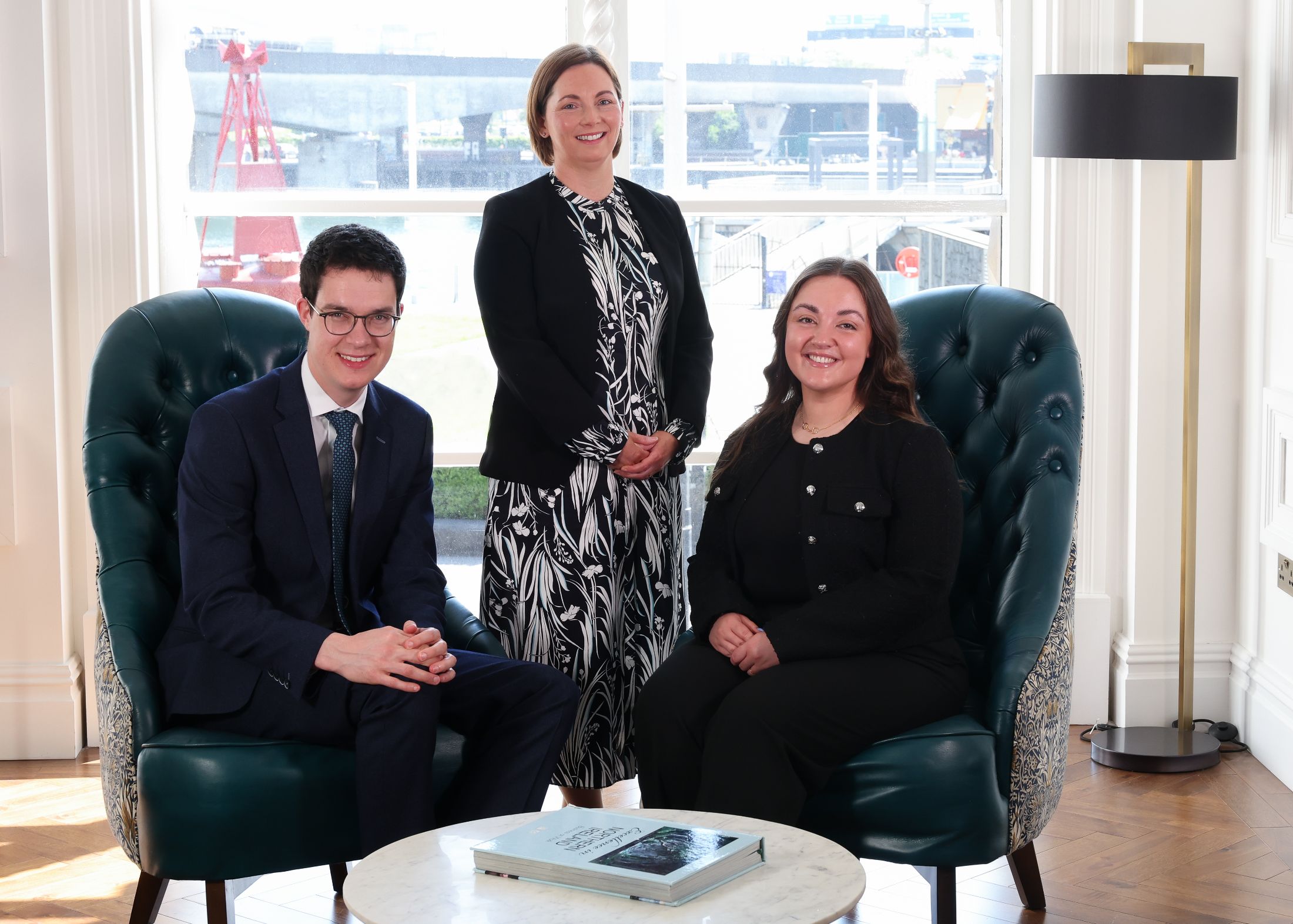
The Employment team at Mills Selig - offering tailored support to Hospitality Ulster members.
In addition, proposals around trade union reform seek to include measures to lower thresholds for union recognition and expand union access to workplaces. There is clear division between employer groups and trade unions about the impact of these reforms and employer bodies, including those representing hospitality, have raised concerns about cost, flexibility and competitiveness.
From a political and legislative perspective, progress of the Bill remains uncertain. At present, the Bill is understood to be effectively deadlocked within the Stormont Executive, reflecting a broader political standoff between Sinn Féin and the DUP on the direction and scope of employment reform.
In practical terms, this means that while there is a high likelihood that elements of the Bill will ultimately be enacted, it is unlikely to progress in its current form. Instead, its passage may depend on the legislation being split into more limited measures or on significant concessions being made, particularly in relation to trade union rights and the pace of implementation. From an operational perspective, the likely impact is an increase in both direct and indirect costs. Employers may face higher wage liabilities where previously variable working patterns become more fixed, as well as additional administrative burdens in managing compliance with new statutory requirements.
Smaller hospitality operators, in particular, may find these changes challenging given the absence of dedicated HR support and the already narrow margins within the sector.
Businesses that proactively review their workforce models and invest in structured employment practices are more likely to mitigate risks and benefit from a more engaged and stable workforce. It is highly likely the Bill will be implemented in some form, but it will be a phased in over time.
Employers will have time to make changes but they should not ignore the inevitable.
Mills Selig will work closely with Hospitality Ulster to keep members informed as the proposed ‘Good Jobs’ Bill develops, with a focus on clear, practical guidance for the hospitality sector. Hospitality Ulster Members who would like to understand the potential impact on their operations or review their current arrangements are encouraged to get in touch with the team at Mills Selig.